
For consumers, the biggest advantage of bottled sparkling water is convenience. Simply grab a bottle and drink it—no equipment or preparation is required. However, when looking at the entire product lifecycle, a bottle of sparkling water requires resources at every stage, from producing the packaging materials and transporting the finished product to recycling or disposing of the packaging after use.When this consumption model continues on a large scale and at high frequency, the resulting packaging waste and carbon emissions from transportation become difficult to ignore. Reducing bottled sparkling water does not mean drinking less sparkling water. Instead, sparkling water machines offer a different way to supply it by making sparkling water on demand.
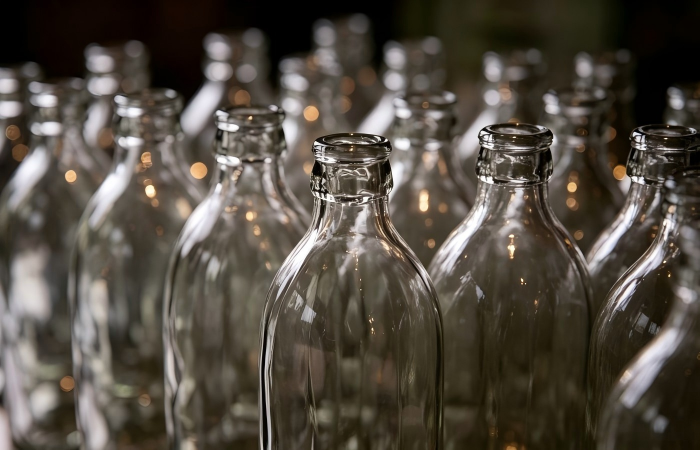
Glass bottles offer a premium look and feel and can be recycled, but their production and transportation still come with significant costs.Glass manufacturing requires raw materials such as silica sand, soda ash, and limestone, followed by high-temperature processing, which consumes considerable energy during production.Glass bottles are also relatively heavy. When transporting the same quantity of product, heavier packaging means that vehicles have to carry more weight, increasing fuel consumption and transportation-related carbon emissions.In addition, glass is fragile. Breakage during transportation not only results in product loss but also creates additional glass waste.Even when glass bottles enter the recycling process, they still need to be collected, transported, and processed. Recycling can reduce environmental impact, but it does not eliminate the resources and energy required throughout the packaging lifecycle.
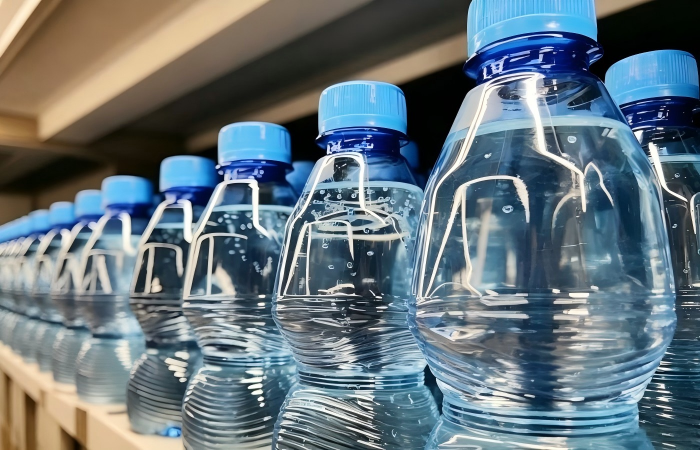
One of the biggest environmental concerns associated with plastic bottles is their widespread use and long degradation time.Plastic production relies on fossil resources such as petroleum. Continued large-scale production of single-use plastic packaging therefore requires additional non-renewable resources.Once plastic enters the natural environment, it does not break down quickly. Over time, plastic bottles can gradually fragment into smaller particles that enter soil, rivers, and oceans. Microplastics can also be ingested by organisms and spread through ecosystems.Although plastic bottles can be recycled, the effectiveness of recycling depends on factors such as collection networks, sorting efficiency, and processing costs. As a result, not every discarded plastic bottle is ultimately recycled or reused effectively.
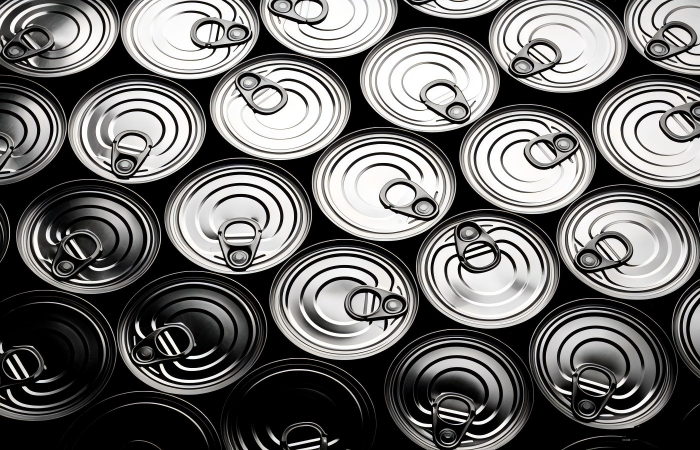
Metal cans are another common type of packaging for bottled beverages. Aluminum cans, for example, require aluminum to be extracted from bauxite and processed through a series of complex manufacturing stages.These processes require substantial amounts of energy and can also generate industrial waste and emissions.Although metal cans are generally lighter than glass bottles, transporting large quantities of finished products still consumes energy. After use, metal cans also need to go through collection, sorting, cleaning, and remelting before the material can be recovered.Inefficient recycling systems or high processing costs can reduce the actual recycling rate. In other words, regardless of which type of single-use packaging is used, it is difficult to completely avoid the environmental impact associated with production, transportation, and end-of-life processing.
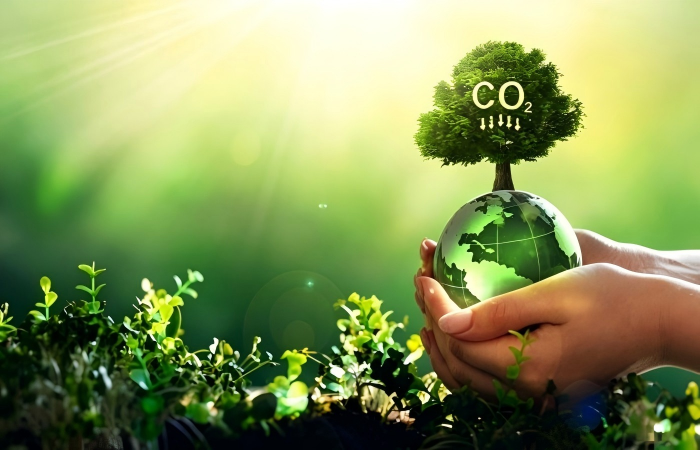
Unlike purchasing pre-packaged sparkling water, sparkling water machines use an “make-on-demand” approach. Users can make sparkling water directly from a water supply and serve it in reusable containers.The biggest change is not simply replacing one piece of equipment with another. It is reducing dependence on single-use packaging.
Traditional bottled sparkling water requires glass bottles, plastic bottles, or metal cans for packaging.If a household, office, or commercial establishment consumes large quantities of bottled sparkling water over an extended period, it will continuously generate a corresponding amount of packaging waste.With a sparkling water machine, sparkling water can be made as needed and served in reusable containers. Instead of being discarded after a single use, these containers can be cleaned and used again, significantly reducing the consumption of single-use packaging materials.
Bottled sparkling water requires not only packaging production but also the transportation of large quantities of finished products to warehouses, stores, and final consumption locations.Sparkling water machines reduce reliance on this finished-product distribution model. When sparkling water is made directly where it is consumed, there is less need to repeatedly transport large quantities of bottled products, which can reduce transportation volume and associated energy consumption.This difference becomes even more significant in locations with high sparkling water consumption.
Bottled products typically need to be purchased and stored in advance. If more is purchased than is actually needed, excess inventory can accumulate and may eventually go to waste.A sparkling water machine allows users to make sparkling water according to actual consumption instead of storing large quantities of bottled products at once.This on-demand approach not only reduces packaging use but can also help minimize unnecessary product waste.
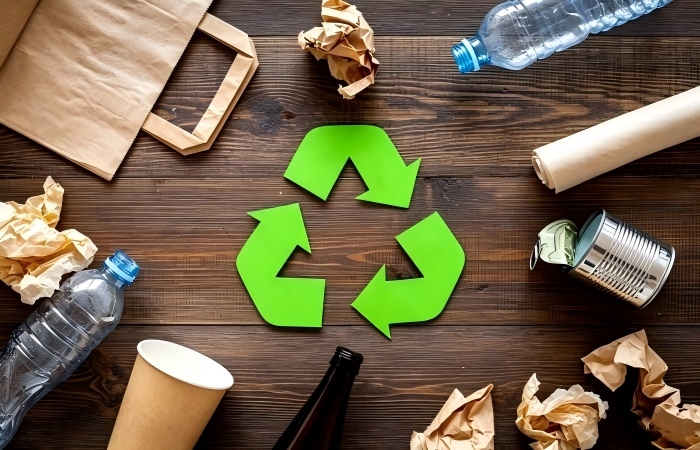
The environmental value of sparkling water machines is not limited to reducing packaging waste.As more consumers and commercial establishments adopt made-to-order sparkling water, demand for single-use bottled packaging may also decline.On a broader scale, changes in consumption habits can encourage businesses to reduce their reliance on non-renewable resources while supporting the development and use of reusable containers and related products.In other words, the impact of sparkling water machines does not stop with the consumer. It can also extend further along the supply chain.
Bottled sparkling water offers convenience, but that convenience also comes with the environmental costs of packaging production, product transportation, and waste management.Sparkling water machines provide a different approach: make only what you need, when you need it. By reducing single-use packaging, they can also reduce the need for unnecessary transportation.This is one of the reasons sparkling water machines can serve as a more sustainable way to enjoy sparkling water.For homes, offices, and commercial beverage settings, moving from bottled sparkling water to an on-demand model is more than a change in equipment. It represents a shift toward more efficient resource use and greater consideration of environmental impact.
· Bestware: Making Commercial Sparkling Water More Efficient and Sustainable
Bestware is a leading Chinese provider of commercial sparkling water machine solutions, covering product design, manufacturing, installation, and after-sales service, while also offering OBM/OEM services.Based on different customer applications and product requirements, Bestware provides both standardized and customized solutions, delivering high-quality and more sustainable water dispensing equipment to customers worldwide.Reduce single-use packaging by starting with a different way to supply sparkling water.